
Financial bubbles have plagued markets for centuries, from Dutch tulip mania to the dot-com crash to the 2008 housing collapse. Each crisis was obvious in retrospect but invisible to most participants in real-time. Machine learning systems are now attempting what human judgment has repeatedly failed to achieve: identifying manias while they are still forming.
AI Detection Models
AI bubble detection models analyze dozens of indicators simultaneously: price-to-earnings ratios decoupling from historical norms, leverage accumulation, sentiment extremes in social media and news coverage, and unusual trading volume patterns. These systems identified concerning signals in cryptocurrency markets months before the 2022 crash, though translating warnings into profitable trades proved challenging.
Central Bank Monitoring
Central banks are piloting AI monitoring systems to assess financial stability risks. The Bank of England uses machine learning to analyze interconnections between financial institutions, identifying potential contagion pathways before crisis occurs. The Federal Reserve explores similar systems, though officials acknowledge that predicting crisis timing remains extraordinarily difficult.
The Detection Challenge
The challenge lies not in detecting elevated risk, that is relatively straightforward, but in distinguishing bubbles from legitimate fundamental improvement. AI systems that flagged US tech stocks as overvalued in 2019 would have missed substantial subsequent gains. Markets can remain irrational longer than algorithms can remain solvent.
The challenge lies not in detecting elevated risk, that is relatively straightforward, but in distinguishing bubbles from legitimate fundamental improvement.
Self-Fulfilling Prophecies
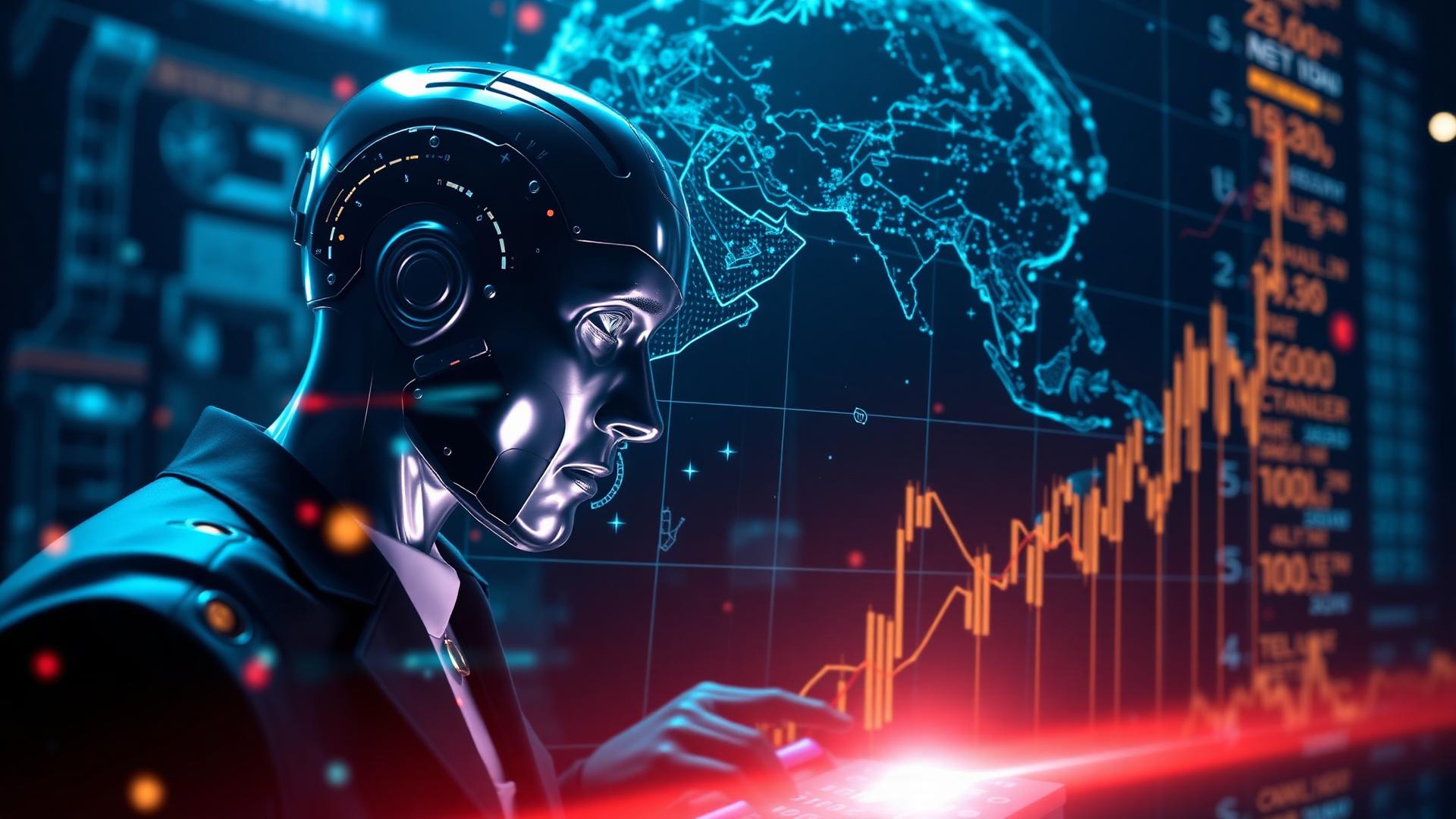
Self-fulfilling prophecies present another complication. If widely-trusted AI systems signal a bubble, their warnings could trigger the very crash they predict. This reflexivity, where observation changes outcomes, may limit the utility of public bubble detection, ensuring that truly effective systems remain proprietary and closely guarded.
Value of Early Warnings
Despite these limitations, AI bubble detection represents meaningful progress. Even imperfect early warnings allow investors, regulators, and policymakers to adjust positions, increase capital buffers, and prepare crisis responses. Perfect prediction is impossible, but reducing the frequency and severity of financial manias would generate enormous social value.