
Financial markets have become algorithmic battlegrounds where AI systems execute trades in microseconds, process alternative data sources invisible to human analysts, and deploy strategies of such complexity that even their creators struggle to explain them. The transformation is complete: algorithms now account for 60-75% of US equity trading volume.
High-Frequency Trading
High-frequency trading firms use machine learning to predict price movements milliseconds into the future, profiting from microscopic inefficiencies thousands of times per second. These operations require proximity to exchange servers, submarine fiber-optic cables between trading hubs, and custom silicon that processes market data faster than commercial chips. The technological arms race consumes billions in infrastructure investment.
Quantitative Hedge Funds
Quantitative hedge funds deploy AI across longer timeframes, analyzing satellite imagery of parking lots, natural language from earnings calls, and social media sentiment to identify mispricings before traditional analysts. Renaissance Technologies' Medallion Fund has achieved annual returns exceeding 60% for decades using these techniques, performance that seems to defy efficient market theory.
Robo-Advisors for Retail
Retail investors increasingly access AI through robo-advisors that automate portfolio construction and rebalancing. Services like Betterment and Wealthfront manage over $100 billion using algorithms that optimize for tax efficiency and risk tolerance. While fees are lower than human advisors, critics question whether these systems can navigate market conditions outside their training data.
Flash Crashes and Systemic Risk
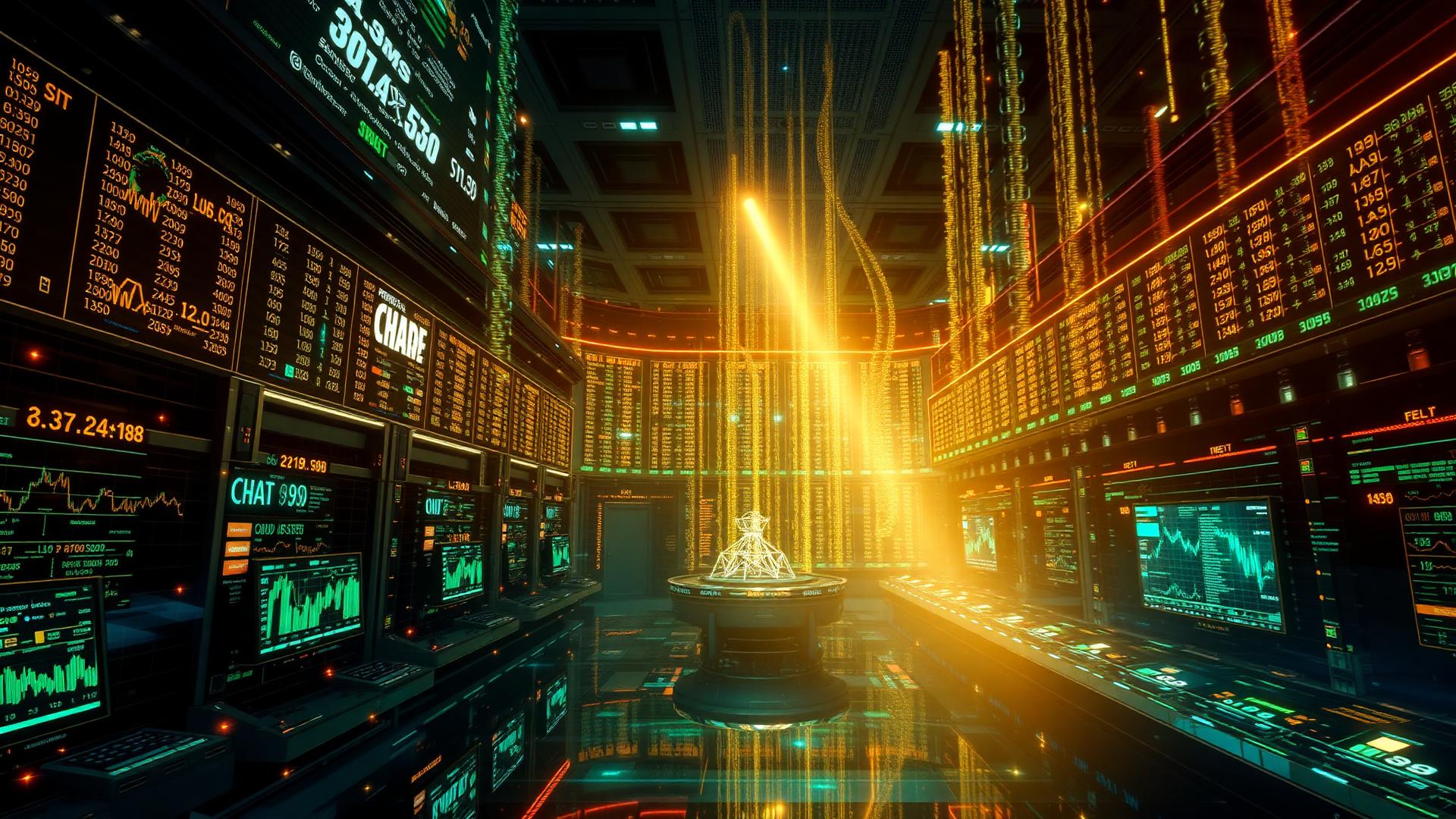
Regulatory concerns intensify as AI systems become more opaque. Flash crashes, where markets plunge and recover within minutes, are often attributed to algorithmic interactions that no single party intended or understood. The 2010 Flash Crash saw the Dow Jones drop 1,000 points in minutes before rebounding, highlighting systemic fragility.
The Future of Algorithmic Markets
The efficiency gains from algorithmic trading are real but unevenly distributed. Institutional investors and sophisticated quants capture most benefits, while retail investors contend with markets that move faster than human reaction time permits. As AI penetration deepens, finance risks becoming a domain where only machines can compete.