
The vibe coding landscape has exploded with platforms promising to turn anyone into a developer. But beneath the marketing hype, these tools serve different needs, excel at different tasks, and demand different investments of time and money. After testing each platform extensively and interviewing hundreds of users, we've distilled what you actually need to know to choose the right tool for your project.
Cursor: Best for Existing Codebases
Cursor positions itself as the AI-powered evolution of Visual Studio Code, the world's most popular code editor. If you're a traditional developer looking to accelerate your workflow or a technical founder maintaining an existing application, Cursor is the obvious choice. It integrates directly into your development environment, understanding your entire codebase context and suggesting changes that respect your architectural patterns.
The learning curve is moderate. You'll need basic understanding of file structures, version control, and how web applications are organized. But once configured, Cursor becomes a pair programming partner that never gets tired, never judges your questions, and remembers every line of code you've written.
Pricing is straightforward: $20/month for the Pro plan, with generous usage limits. Enterprise teams pay $40/user/month for additional security and collaboration features. The free tier allows experimentation but limits AI requests significantly.
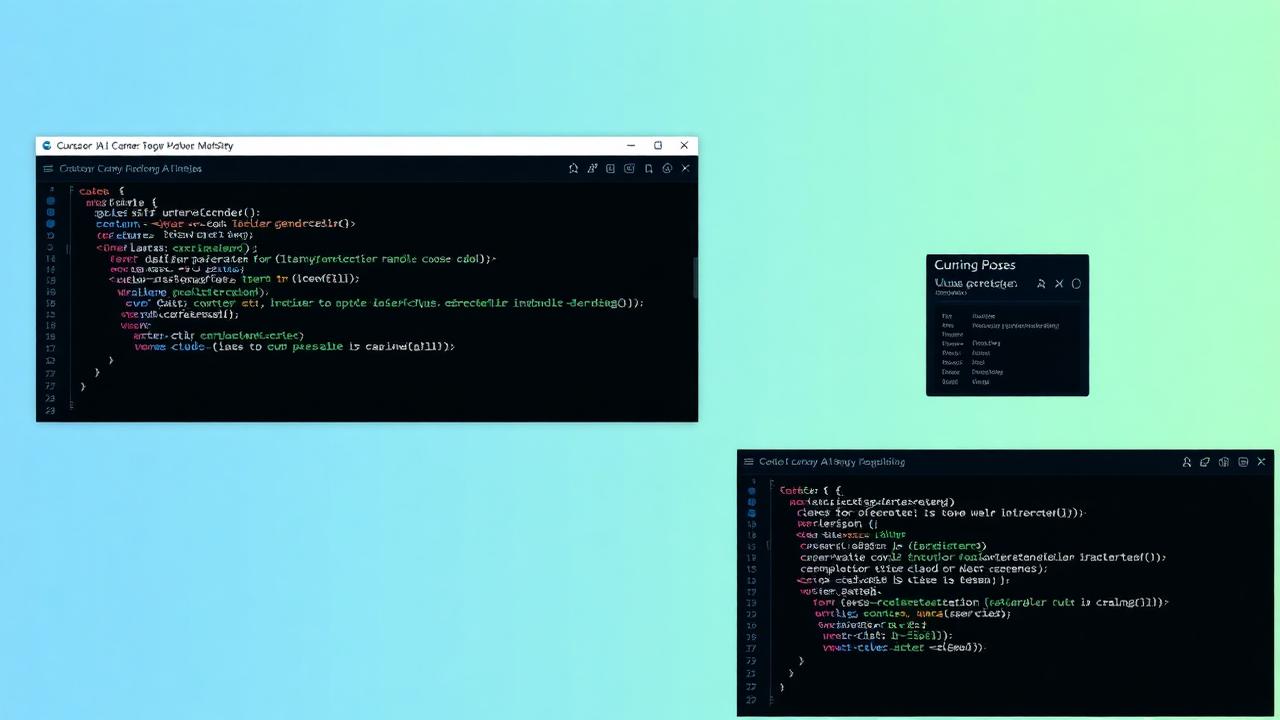
Strengths: Deep codebase understanding, excellent for refactoring existing projects, strong debugging assistance, works with any programming language or framework.
Weaknesses: Requires understanding file structures and basic development concepts, steeper learning curve for complete beginners, less polished for starting projects from scratch.
Best for: Professional developers, technical founders, teams maintaining complex applications, anyone with coding experience looking to move faster.
Lovable: Best for Rapid Prototyping
Lovable takes a different approach: start with what you want to build, describe it in conversation, and watch the application materialize in real-time with live preview. Built specifically for React and modern web frameworks, Lovable excels at getting from idea to working prototype faster than any competitor.
The platform's guided interface asks the right questions: What pages do you need? What should users be able to do? How should data be organized? As you answer, Lovable generates not just code but a fully deployed application you can share immediately. The emphasis on visual feedback makes iteration intuitive, see a problem, describe the fix, watch it update.
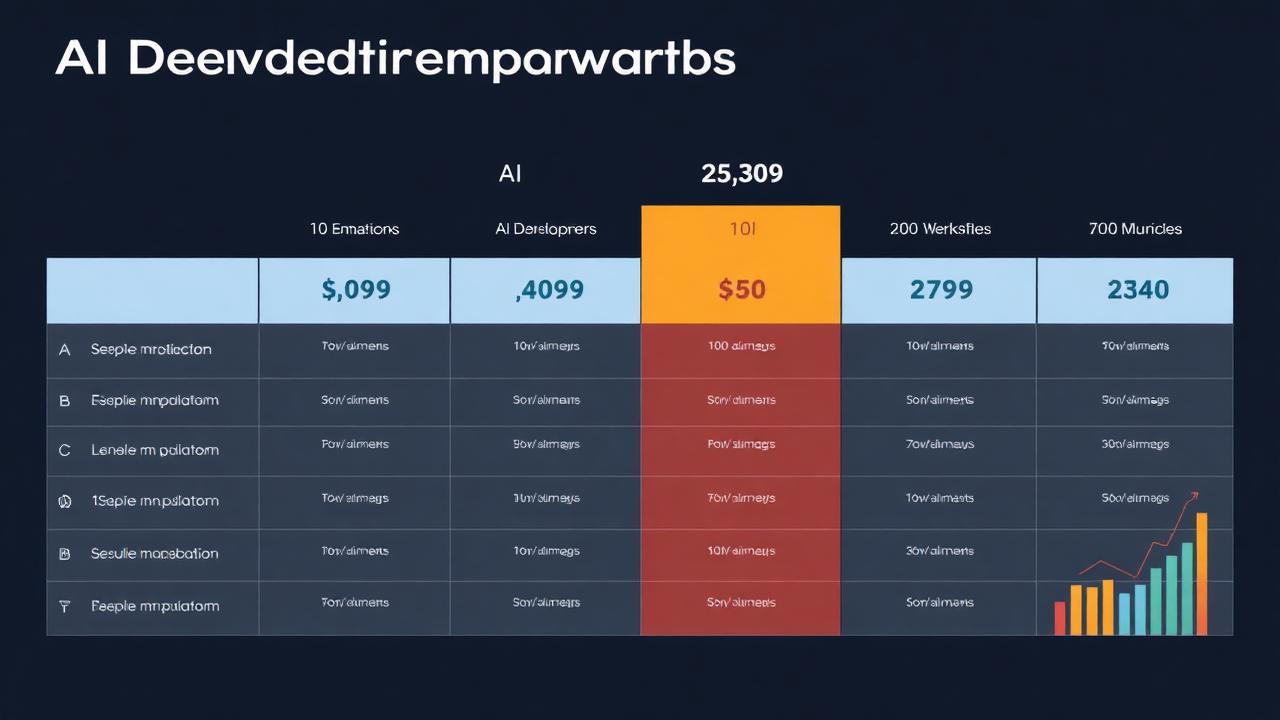
Pricing starts at $20/month for individuals, scaling to $50/month for teams. The platform includes hosting, so there's no separate infrastructure to manage. This bundled approach simplifies the total cost of ownership significantly.
Strengths: Fastest path from idea to working prototype, excellent visual feedback loop, includes deployment and hosting, great for non-technical founders validating ideas.
Weaknesses: Less flexible for complex custom requirements, primarily focused on web applications, learning curve for understanding React concepts if you want to customize deeply.
Best for: Startup founders validating MVPs, entrepreneurs testing business ideas, designers who want functional prototypes, anyone who needs to ship fast and iterate based on user feedback.
v0 by Vercel: Best for UI Components
Vercel's v0 specializes in generating beautiful, production-ready user interface components. Rather than building entire applications, v0 excels at creating individual pieces: navigation menus, pricing tables, hero sections, dashboards, forms. Describe what you want visually, and v0 generates React code optimized for the Vercel ecosystem.
The workflow is component-focused: generate a piece of UI, copy the code, integrate it into your project. For developers who want AI assistance without surrendering control of their entire application, this surgical approach is ideal. The generated code is clean, well-structured, and customizable.
Pricing is consumption-based: $20/month for 400 credits, with each generation consuming credits based on complexity. Heavy users can upgrade to unlimited plans at higher tiers.
Strengths: Exceptional UI quality, integrates seamlessly with Vercel deployment, clean customizable code, great for building component libraries.
Weaknesses: Requires integrating components into existing projects, not a full application builder, best value for teams already using Vercel infrastructure.
Best for: Frontend developers, design systems teams, developers who want granular control, projects where visual polish matters deeply.
Bolt: Best for Full-Stack Applications
Bolt by StackBlitz offers the most comprehensive vibe coding experience: describe any web application, and Bolt generates the frontend, backend, database, and deployment configuration. The platform runs a complete development environment in your browser, including package management, hot reloading, and debugging tools.
This power comes with complexity. Bolt assumes you understand how modern web applications work at a conceptual level, APIs, databases, authentication, state management. The AI handles implementation, but you need to architect your application thoughtfully and understand the pieces it's creating.
Pricing starts at $20/month for basic usage, with professional tiers at $40+/month for larger projects and team collaboration. The platform includes generous compute resources, making it viable for applications with real user traffic.
Strengths: Handles both frontend and backend, excellent for complex applications, strong TypeScript support, professional debugging tools, scalable to production workloads.
Weaknesses: Steepest learning curve, requires understanding of full-stack concepts, can feel overwhelming for simple projects, pricing adds up for resource-intensive applications.
Best for: Technical founders building full products, developers transitioning from traditional coding to AI-assisted development, teams building complex multi-page applications with databases and authentication.
Replit Agent: Best for Learning
Replit has long been the go-to platform for coding education, and Replit Agent extends this legacy into the AI era. The platform focuses on teaching through doing: describe what you want to learn by building it, and Replit Agent walks you through the process while explaining its decisions.
The educational scaffolding is exceptional. Replit Agent doesn't just generate code; it explains why it made specific choices, what alternatives exist, and how the pieces fit together. For someone learning programming concepts while building real projects, this pedagogical approach is unmatched.
Pricing is aggressive: $25/month includes both AI coding assistance and hosting for unlimited projects. The free tier allows learning with limited AI requests.
Strengths: Best educational experience, clear explanations of generated code, collaborative features for pair programming, supportive community of learners, affordable pricing.
Weaknesses: Less polished for production deployment, performance can lag on complex applications, smaller ecosystem than competitors.
Best for: Students, career changers learning to code, educators teaching programming, hobbyists exploring software development, anyone prioritizing learning over speed.
The Verdict: Matching Tool to Task
The best platform depends entirely on your context: Validating a startup idea in 48 hours: Lovable Adding AI assistance to professional development: Cursor Building a portfolio of beautiful UI: v0 Creating a complex SaaS application: Bolt Learning to code while building projects: Replit Agent
Many successful teams use multiple platforms: v0 for landing page components, Bolt for the core application, and Cursor for maintaining the codebase as it matures. The tools complement rather than compete.
For those new to vibe coding, we recommend starting with Lovable or Replit Agent. Both offer the fastest path to seeing your ideas materialize, with Lovable optimized for speed and Replit optimized for learning. As your needs evolve, migrating to more complex tools becomes natural.
The vibe coding revolution isn't about any single platform, it's about the democratization these tools collectively enable. Whether you choose one from this list or combine multiple, the barriers to software creation have never been lower. The question is no longer whether you can build your idea, but which tool will help you build it fastest. For comprehensive training on leveraging these platforms strategically, explore our [Digital Mainstreet Playbook](/entrepreneurship) designed specifically for entrepreneurs navigating this new landscape.