
The $50 billion video production industry is experiencing its iPhone moment, a technology shift so profound that capabilities once requiring $100,000 in equipment and years of expertise now fit in a browser window accessible to anyone with a credit card. AI video animation tools have compressed the traditional production pipeline from months to minutes, and the results are becoming indistinguishable from professional work.
Maria Rodriguez runs a one-person marketing agency serving local businesses in Phoenix. Two years ago, creating a 30-second product video for a client meant hiring a videographer ($2,000), a script writer ($500), an editor ($1,500), and waiting three weeks for delivery. Today, Maria inputs a product description into HeyGen, selects an AI avatar and voice, and delivers studio-quality videos in hours for $29. Her agency revenue has tripled as she can now serve clients who could never afford traditional video production.
This transformation extends across industries: real estate agents creating property tours, educators building course content, corporate trainers producing safety videos, content creators generating social media clips, and entrepreneurs pitching investors with polished decks. The common thread: tasks that once required specialized teams now happen in-house with AI assistance.
Runway ML: The Cinematic Powerhouse
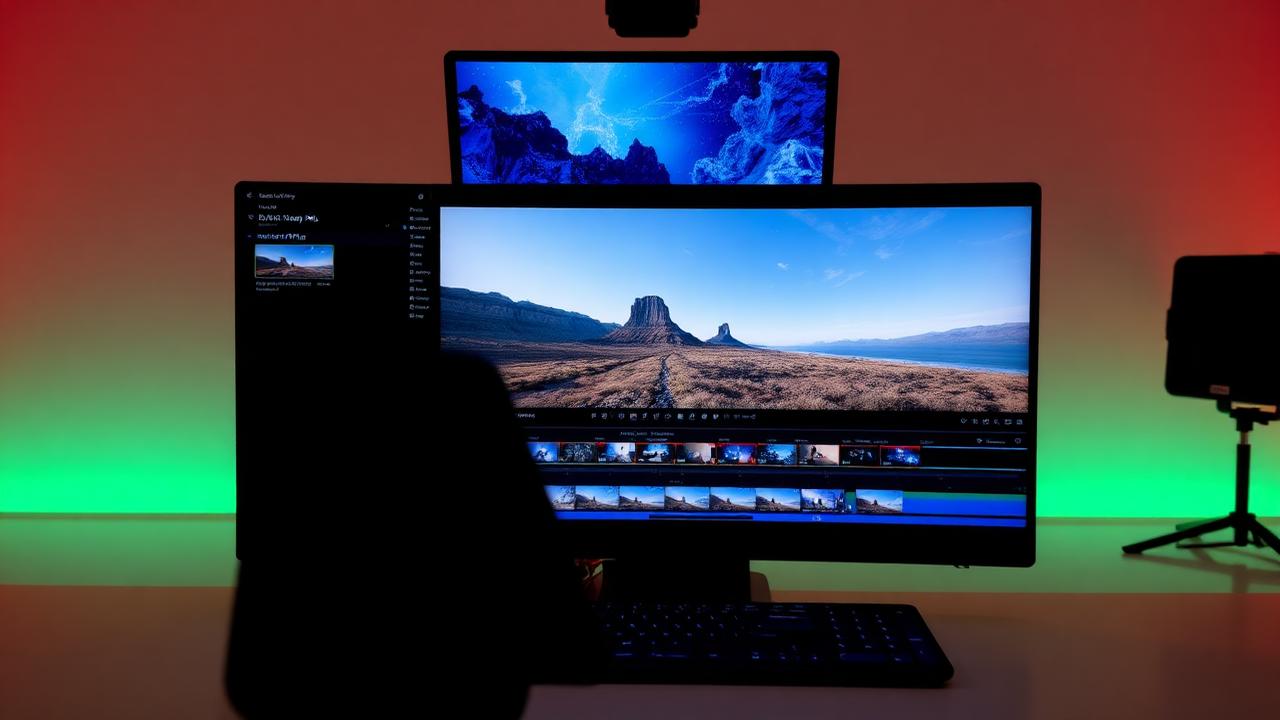
Runway leads the industry in creative capability. Its Gen-2 model generates video from text descriptions or transforms existing footage in ways that would require extensive CGI work. Type "a drone shot flying through a futuristic cityscape at sunset" and watch it materialize. Upload a static image and animate it with camera movements, depth effects, and lighting changes.
The platform excels at artistic and cinematic content. Filmmakers use Runway for concept visualization, creating previsualization shots that communicate their vision before expensive production begins. Advertisers generate multiple creative variations for A/B testing. Music video directors create surreal sequences impossible to film practically.
Pricing starts at $15/month for 125 credits (roughly 300 seconds of video generation), scaling to $95/month for unlimited standard generation. The quality justifies the cost for professional work, though the learning curve is steeper than competitors. Understanding framing, composition, and visual storytelling dramatically improves results.
Strengths: Highest quality cinematic output, extensive editing controls, image-to-video and video-to-video transformation, strong community sharing techniques and prompts.
Weaknesses: Steeper learning curve, generation can be slow during peak times, requires artistic eye for best results, limited avatar/presenter features.
Best for: Filmmakers, advertisers, content creators prioritizing artistic quality, teams with video production experience wanting AI acceleration.
Pika: The Speed Specialist
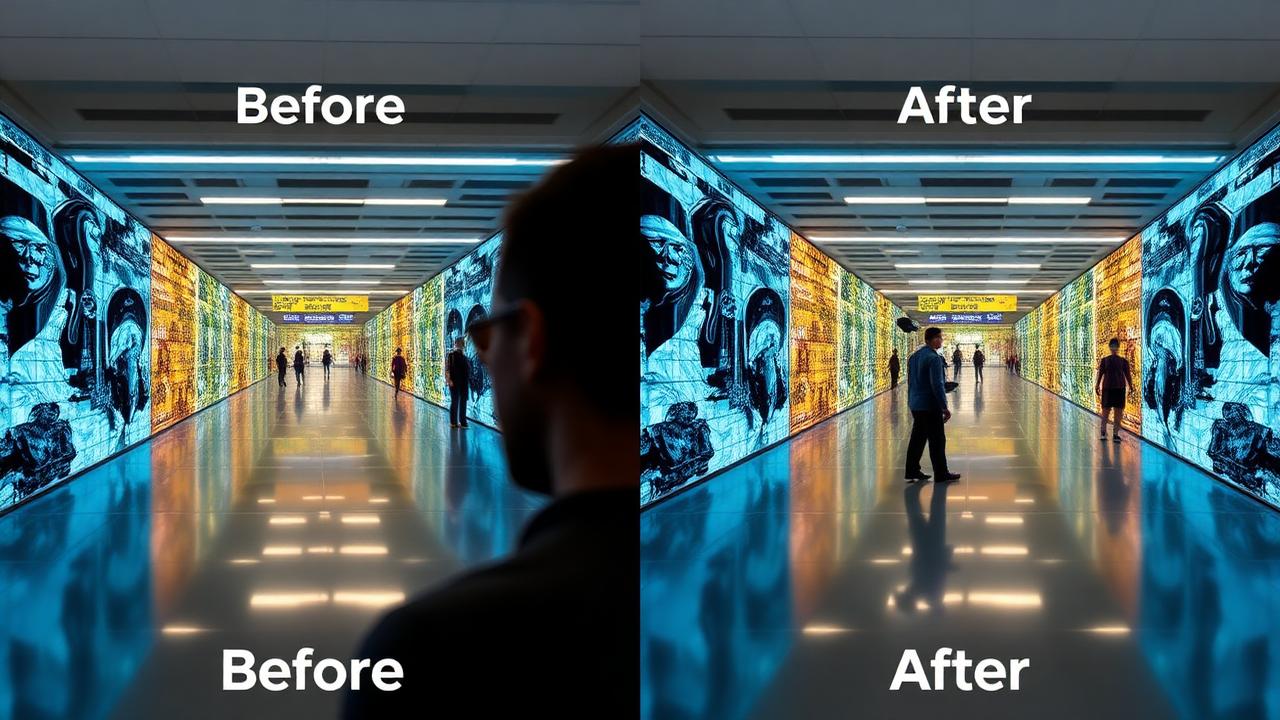
Pika Labs built its reputation on speed and accessibility. The platform generates short video clips (1-3 seconds) nearly instantly, making it ideal for rapid iteration and social media content. While individual clips are brief, clever editing can combine them into longer sequences.
The interface is deliberately simple: describe what you want, click generate, download. This simplicity trades comprehensive control for velocity. Teams producing high-volume content, social media managers creating dozens of posts weekly, e-commerce brands generating product showcase videos, or educators building instructional animations, find Pika's throughput transformative.
Pricing is aggressive: free tier for experimentation, $10/month for standard plan, $35/month for unlimited generation. The value proposition for high-volume users is compelling.
Strengths: Fastest generation times, intuitive interface, excellent for short-form content, affordable pricing, great motion and camera movement understanding.
Weaknesses: Limited to short clips, less artistic control than Runway, occasional consistency issues across generations, smaller feature set.
Best for: Social media managers, e-commerce product videos, rapid prototyping, teams prioritizing quantity and speed over extended cinematic sequences.
Synthesia: The Enterprise Standard
Synthesia positions as the enterprise-grade alternative, emphasizing security, compliance, and integration with corporate systems. Like HeyGen, it focuses on AI avatars and presenter-style videos, but with additional governance features that matter for regulated industries.
The platform's differentiator is template-based workflows. Companies create video templates with placeholders for dynamic content, then employees without video expertise can generate customized versions by filling in forms. A sales team can produce personalized pitch videos for hundreds of prospects in an afternoon, with each video addressing the prospect's specific needs.
Pricing is enterprise-focused: custom quotes based on volume, typically starting around $30/user/month for small teams and scaling to hundreds of thousands annually for large deployments. The platform includes SSO, audit logs, and compliance certifications that IT departments require.
Strengths: Enterprise security and compliance, excellent template system, robust API for integration, professional support, strong governance features.
Weaknesses: Expensive for individuals or small teams, less creative flexibility than Runway or Pika, requires organizational commitment to justify cost.
Best for: Large corporations, regulated industries, teams prioritizing security and compliance, organizations with IT integration requirements.
The Business Model Revolution
These tools don't just reduce video production costs, they enable entirely new business models. Consider:
Video-as-a-Service Agencies: One-person agencies offering unlimited video production for $2,000/month retainers, powered by AI tools costing $200/month. The margins are extraordinary, and client demand is insatiable.
Hyper-Personalized Marketing: E-commerce brands generating product videos customized to individual customer interests, showing exactly the features each prospect cares about.
Real-Time Content: News organizations producing video explainers of breaking stories in minutes rather than hours, maintaining relevance in the attention economy.
Training Democratization: Small businesses creating professional employee training programs previously affordable only to enterprises.
For entrepreneurs exploring these opportunities, our [Video Generation Studio Business Guide](/entrepreneurship) provides step-by-step frameworks for building profitable services around AI video tools.
The Quality Question
Skeptics correctly note that AI video still has tells, subtle uncanny valley effects, occasional physics violations, or repetitive patterns. But the trajectory is clear. Six months ago, AI video was obviously synthetic. Today, casual viewers often can't distinguish it from traditional production. Six months from now, the gap will shrink further.
The relevant question isn't "Is AI video perfect?" but "Is AI video good enough for my use case?" For social media content, explainer videos, product showcases, training materials, and presentations, the answer is increasingly yes. For feature films and high-end commercials, traditional production still reigns, but even Hollywood is using AI for previsualization, concept development, and effects.
Choosing Your Platform
Match tool to task: Artistic/cinematic content: Runway High-volume social media: Pika Presenter/avatar videos: HeyGen Enterprise deployment: Synthesia Hybrid approach: Runway for hero content, Pika for volume, HeyGen for updates
Many successful creators use multiple platforms, selecting based on specific project needs. The combined subscription cost is still a fraction of traditional production budgets.
The video production revolution isn't coming, it's here. The question is whether you'll leverage it to amplify your creative vision or watch competitors leave you behind. The tools are ready. The market is eager. The opportunity is now.