
Medical diagnosis is being redefined by algorithms that process more data in seconds than a physician could review in a lifetime. AI systems now detect certain cancers, eye diseases, and heart conditions with accuracy that meets or exceeds specialist-level performance, and they are getting better with each training iteration.
Diagnostic Radiology
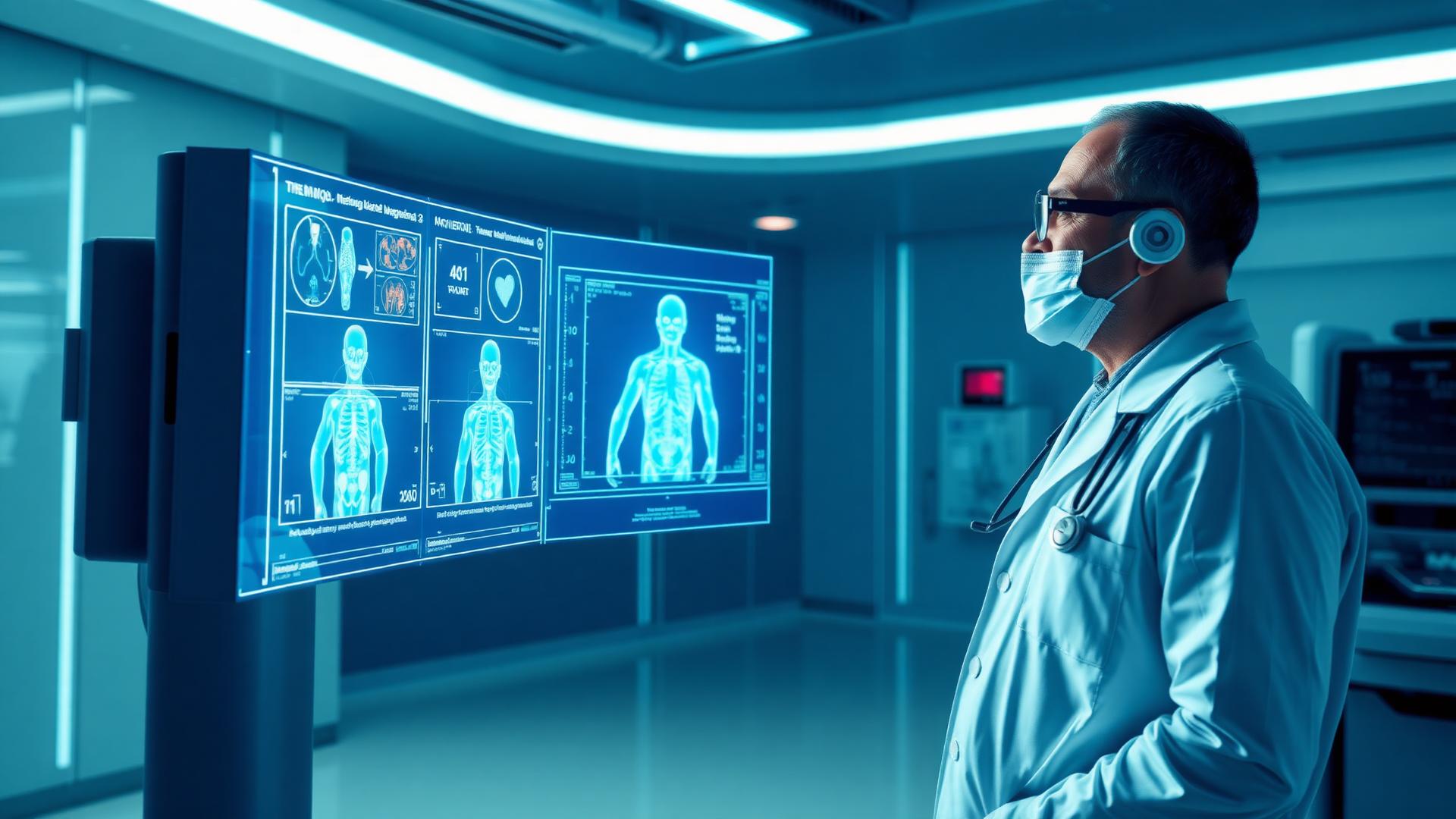
Radiology departments worldwide have integrated AI as a second reader for mammograms, CT scans, and MRIs. The technology flags suspicious patterns that human eyes might miss during hours of image review, reducing false negatives while lowering radiologist burnout. Early detection rates for lung cancer and breast cancer have improved measurably at institutions using these systems.
Genomic Medicine
Genomic medicine is experiencing parallel transformation. AI models analyze millions of genetic variants to predict disease risk, drug responses, and optimal treatment protocols. What once required months of specialist analysis now happens in hours, enabling personalized medicine at scale. Cancer patients receive targeted therapies based on their tumor's genetic profile rather than one-size-fits-all protocols.
Drug Discovery
Drug discovery timelines are compressing dramatically. AI platforms screen billions of molecular combinations to identify promising therapeutic candidates, reducing the initial research phase from years to months. Several AI-discovered drugs have entered clinical trials, with early results suggesting comparable efficacy to traditionally developed compounds.
Challenges and Barriers
Yet the healthcare AI revolution faces significant barriers. Regulatory frameworks struggle to keep pace with algorithmic evolution. Data privacy concerns limit the large datasets needed for training robust models. Most critically, algorithms trained on predominantly white, male patient populations often perform poorly for underrepresented groups, perpetuating rather than eliminating health disparities. Addressing these challenges will determine whether AI medicine universally improves care or creates a two-tier system.